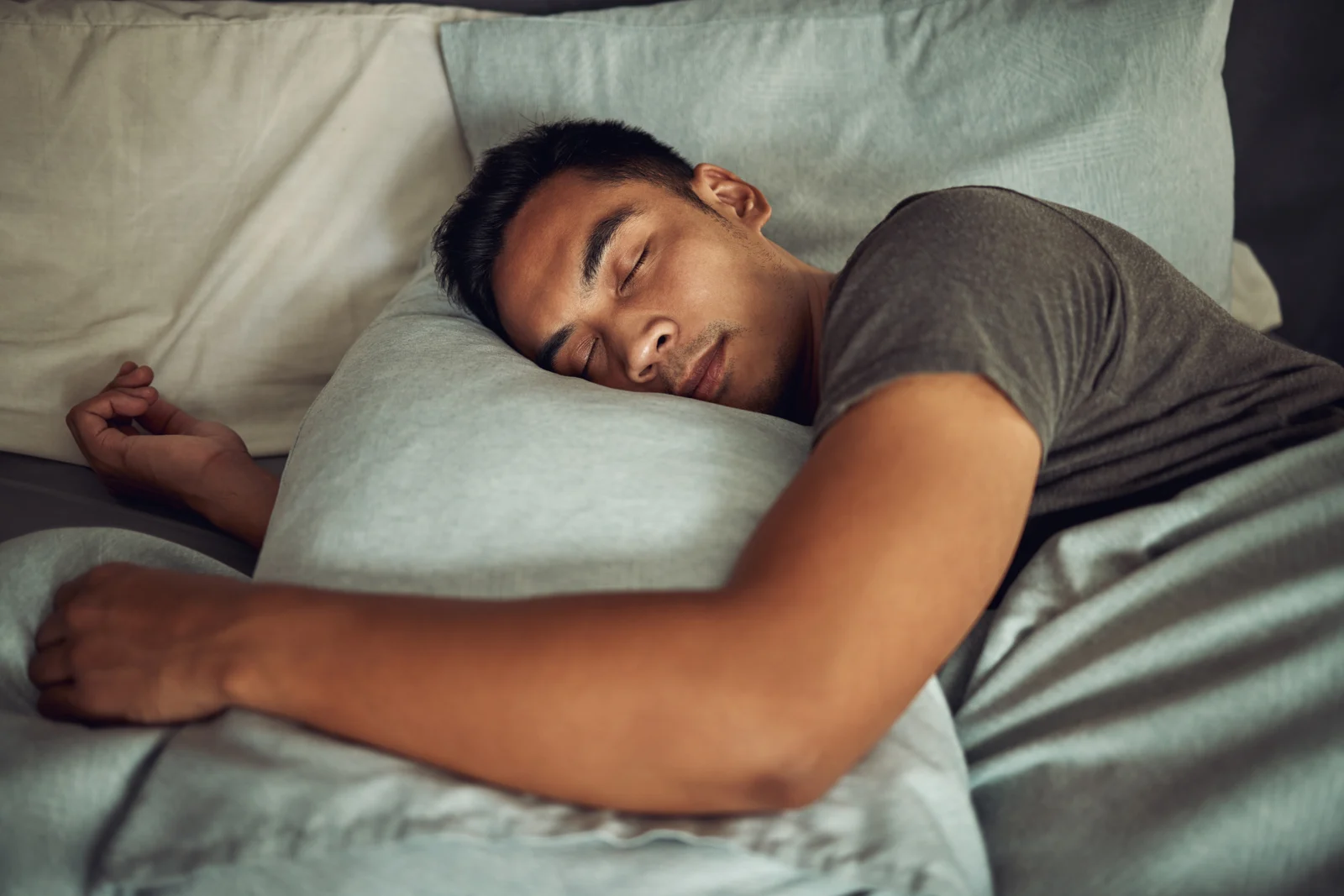

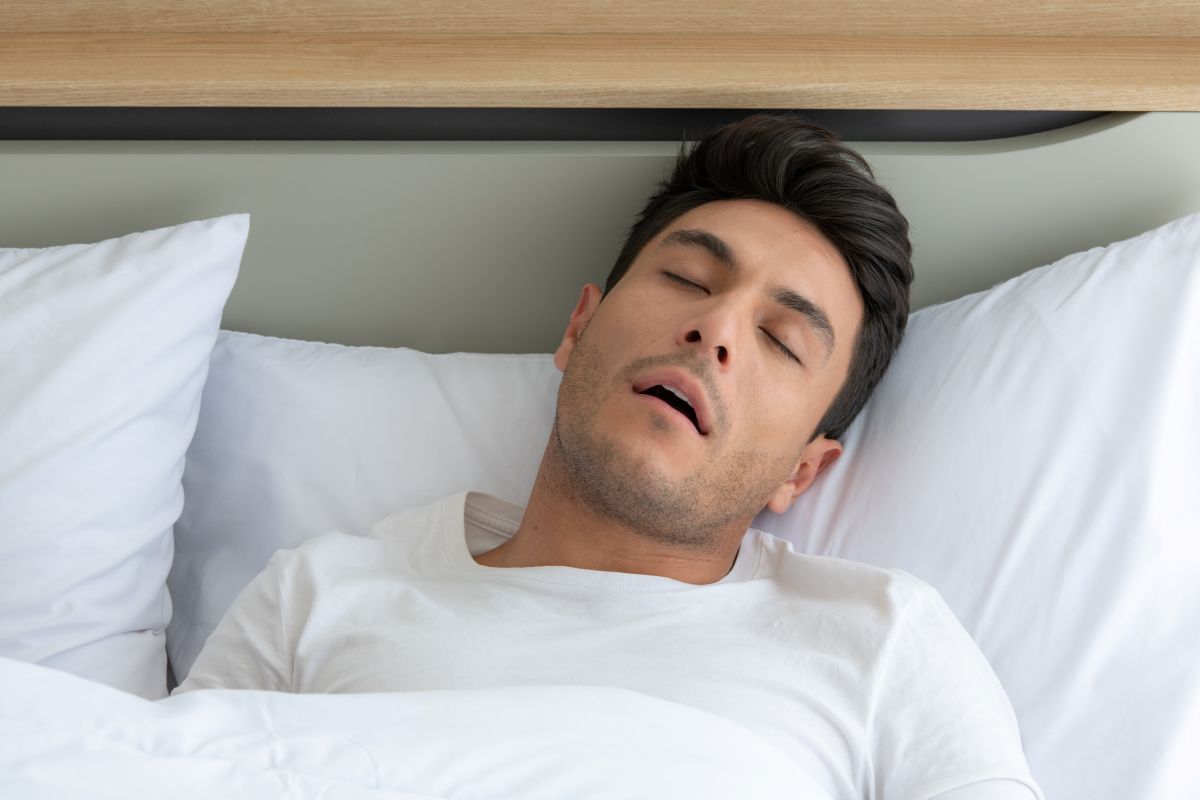
Snoring is often brushed off as a minor annoyance or an unfortunate habit that only affects bed partners. Many people assume that if sleep apnea is not present, snoring is harmless. In reality, snoring is frequently a sign of disrupted breathing during sleep and should not be ignored.
Even without a diagnosis of sleep apnea, chronic snoring can interfere with sleep quality, contribute to daytime fatigue, and place stress on multiple systems in the body. Over time, these effects may impact cardiovascular health, cognitive function, and overall well-being.
Understanding why snoring occurs and what it may signal about airway health is an important step toward protecting long-term health.
Learn more about our Sleep & Breathing approach
Snoring Is More Than Just a Nuisance
Snoring is caused by airflow moving through a narrowed or partially obstructed airway during sleep. As air passes through restricted tissues in the throat, vibration occurs, producing the familiar snoring sound.
While the sound itself may seem harmless, it reflects increased resistance in the airway. This resistance often disrupts sleep architecture, preventing the body from reaching deeper, restorative sleep stages.
Snoring should be taken seriously because it often:
- Signals airway obstruction, even without sleep apnea
- Disrupts sleep quality and recovery
- Contributes to fatigue and poor concentration
- Affects partners and household sleep health
When left unaddressed, snoring may worsen over time and progress into more significant forms of sleep disordered breathing.
Why Do People Snore? Common Causes Explained
Snoring occurs when airflow is restricted during sleep. Several anatomical and lifestyle factors can contribute to airway narrowing and breathing disturbances.
Common causes of snoring include:
- Excess tissue around the neck or throat that narrows the airway
- Alcohol consumption, which relaxes airway muscles
- Nasal congestion or chronic nasal obstruction
- Jaw position or tongue posture that reduces airway space
- Anatomical variations such as a deviated septum
Sleeping position also plays a role. Back sleeping allows gravity to pull the tongue and soft tissues backward, further restricting airflow.
Understanding the underlying cause of snoring is essential, as treatment depends on why airflow is being disrupted.
Snoring and Sleep Disordered Breathing
Snoring exists on the same spectrum as sleep disordered breathing. While not all snoring meets the criteria for obstructive sleep apnea, it often represents an early or milder form of airway obstruction.
Sleep disordered breathing includes repeated airflow limitations that fragment sleep and reduce oxygen efficiency, even when breathing does not fully stop. These disturbances place ongoing stress on the body and interfere with normal sleep cycles.
Learn what sleep disordered breathing is and why it affects whole body health
How Snoring Affects the Body Over Time
Sleep Disruption and Daytime Fatigue
Chronic snoring often leads to repeated micro-arousals throughout the night. These brief awakenings prevent deep, restorative sleep, even if the person is unaware they are waking.
Over time, this fragmented sleep can result in persistent fatigue, daytime sleepiness, and reduced mental clarity.
Cognitive Function and Mental Health
Poor sleep quality affects cognitive function, memory, and emotional regulation. Individuals who snore regularly may experience difficulty concentrating, irritability, or brain fog during the day.
Cardiovascular and Metabolic Stress
Airway resistance and fluctuating oxygen levels place strain on the cardiovascular system. Chronic snoring has been associated with elevated blood pressure, increased inflammation, and metabolic imbalance.
Even without sleep apnea, these physiological stresses can contribute to long-term cardiovascular health concerns.
Jaw Clenching, TMJ Symptoms, and Snoring
When the airway becomes restricted during sleep, the body may attempt to compensate by clenching the jaw or shifting it forward to maintain airflow. This unconscious response can contribute to jaw tension, grinding, and symptoms associated with TMJ dysfunction.
Snoring, jaw clenching, and TMJ symptoms often overlap because they share a common root cause: airway stress during sleep.
Explore the connection between airway health and TMJ dysfunction
Snoring vs Obstructive Sleep Apnea
Snoring and obstructive sleep apnea are closely related but not identical. Obstructive sleep apnea involves repeated episodes of complete or near-complete airway collapse, resulting in significant oxygen drops and frequent awakenings.
Snoring may occur without apnea events, but it still reflects airway resistance. In many cases, untreated snoring can progress into more severe breathing disturbances over time.
When Snoring Should Not Be Ignored
Snoring deserves professional evaluation when it is accompanied by:
- Persistent daytime fatigue
- Morning headaches
- Difficulty concentrating
- Dry mouth or sore throat upon waking
- Jaw pain, clenching, or grinding during sleep
These signs suggest that sleep quality and breathing are being disrupted and that further assessment may be beneficial.
Addressing Snoring and Supporting Healthy Sleep
Addressing snoring often involves identifying and correcting the underlying airway factors contributing to airflow restriction. Treatment options may include lifestyle adjustments, dental sleep appliances, and airway-focused dental care.
Dentists trained in sleep and airway health evaluate how jaw position, tongue posture, and oral anatomy influence breathing during sleep. This perspective helps uncover root causes that may not be identified through sleep studies alone.
Learn how airway-focused dental care supports healthier sleep
Take Snoring Seriously for Better Health
Snoring should not be dismissed as harmless, even in the absence of sleep apnea. It often signals underlying airway resistance that affects sleep quality, energy levels, and overall health.
Addressing snoring early can improve sleep, protect long-term health, and enhance quality of life.