
When Your Jaw is Off, Your Whole Body Feels It
Looking for TMJ treatment near Fort Walton Beach? Complete Health Dentistry provides TMJ evaluations at our Shalimar, Florida office. Dr. David Hanle and our team assess jaw function and discuss care based on your individual findings.
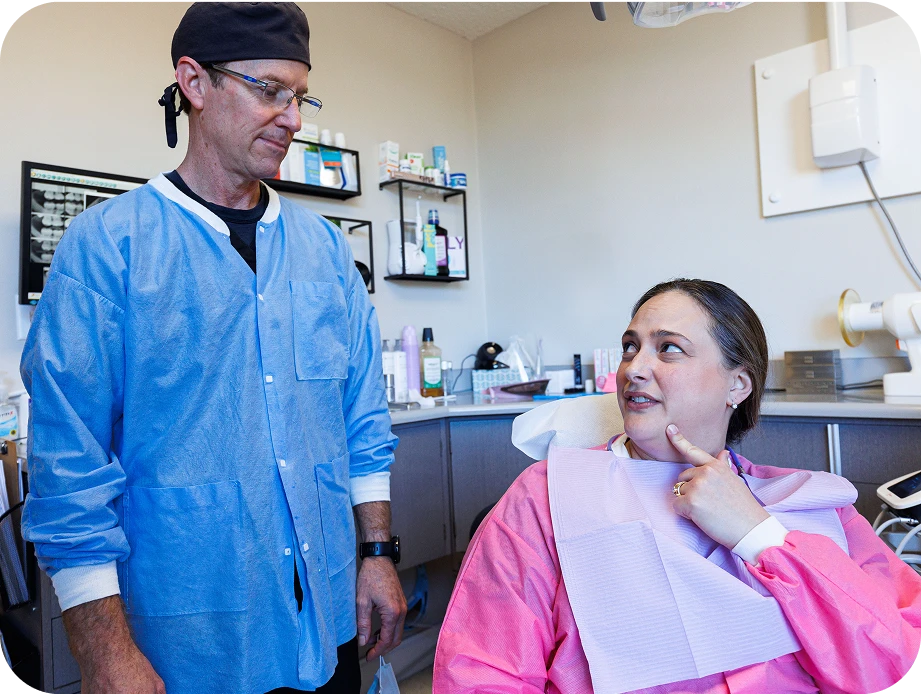
Tell us about jaw discomfort, chewing difficulties, or changes in how your jaw moves. We take time to listen to your concerns, explain findings, and discuss the next steps with you.
Your jaw, airway, and sleep are closely connected. When the jaw is misaligned or the muscles surrounding it are overworked, the airway can become compromised, especially during sleep. This may contribute to mouth breathing, teeth grinding, disrupted sleep, and ongoing inflammation.
Many patients live with TMJ dysfunction for years without realizing that jaw pain, headaches, or fatigue may be related to airway and breathing dysfunction. Addressing TMJ issues at their source allows us to improve comfort while supporting better sleep and overall health.
TMJ related problems can present in a variety of ways. Common signs include:

Jaw pain, clicking, or locking

Headaches, earaches, or neck tension

Teeth grinding and worn enamel

Facial asymmetry or uneven bite pressure
Difficulty chewing or discomfort while eating
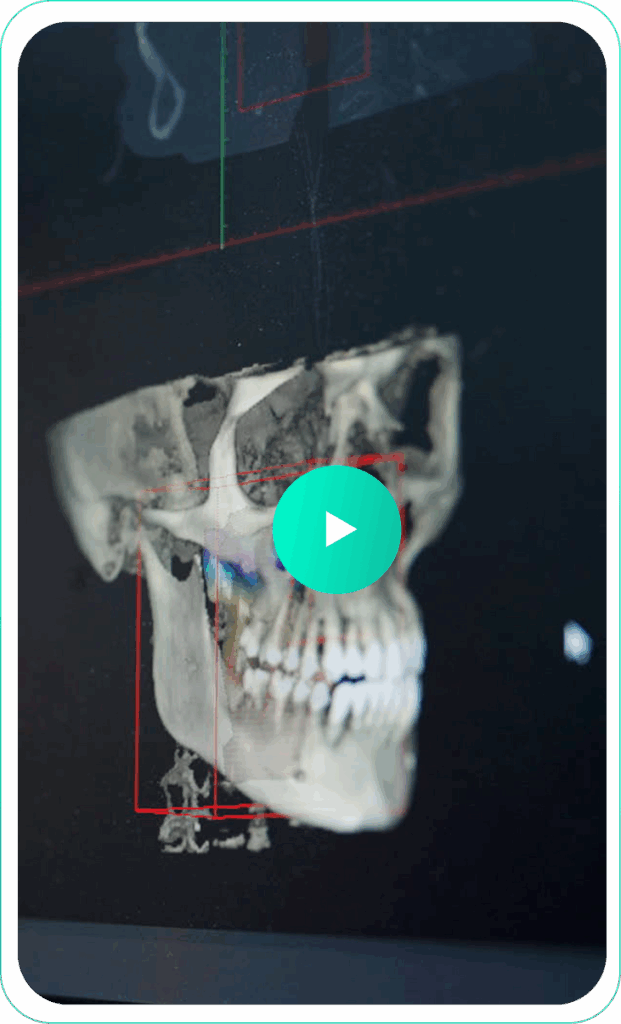
Accurate diagnosis is essential for effective TMJ treatment. We use advanced imaging and functional evaluation to understand how the jaw, muscles, and airway are working together.
Using CBCT imaging, we evaluate jaw joint structure, airway space, bite alignment, and signs of joint stress or degeneration. A comprehensive head and neck examination allows us to assess posture, muscle balance, and jaw movement patterns.
This detailed assessment helps us determine whether TMJ dysfunction is contributing to airway restriction, sleep disruption, or chronic pain, and allows us to design a treatment plan focused on restoring proper function.
TMJ Therapy & Airway Splints
Many TMJ issues are linked to poor tongue posture, muscle imbalance, clenching, and mouth breathing. Custom airway focused splints may be used to support the jaw in a healthier position, reduce joint strain, and improve nighttime breathing.
These appliances are designed to relieve tension, protect the teeth, and support a more stable airway during sleep.
Myofunctional Therapy for TMJ Dysfunction
Myofunctional therapy plays an important role in TMJ treatment by retraining the muscles of the face, tongue, and jaw. Improving tongue posture, swallowing patterns, and muscle coordination can reduce strain on the jaw joints and improve airway stability.
This therapy is often used alongside splints or orthodontic treatment to support long term relief and functional balance
Airway-Focused Orthodontics for TMJ Relief
In some cases, TMJ dysfunction is closely tied to bite misalignment or jaw position. Airway focused orthodontics can help correct these structural issues while creating space for the airway and tongue.
By addressing alignment and function together, orthodontic treatment can reduce stress on the jaw joints and improve both comfort and breathing efficiency.
Nasal Breathing Techniques
Healthy nasal breathing reduces strain on the jaw and airway. We work with patients to identify habits that interfere with nasal breathing and provide guidance to support better breathing patterns during the day and at night.
Improving nasal breathing can significantly enhance TMJ treatment outcomes and overall comfort.
Understand your jaw. Plan your next step.
Temporomandibular disorders (TMD), often called TMJ dysfunction, affect the jaw joints and the muscles used for chewing. Symptoms can include jaw pain, stiffness, painful clicking, or difficulty opening and closing your mouth.
Some symptoms improve on their own. Persistent discomfort or changes in jaw movement deserve an evaluation to help identify the cause and discuss appropriate care. Headaches and ear pain can also have causes outside the jaw, so an individual assessment matters.
Meet your dentist
Dr. David Hanle, DMD, is the founder of Complete Health Dentistry and has practiced dentistry for more than 30 years. He graduated from the University of Alabama School of Dentistry.
Our approach brings together careful evaluation, patient education, and personalized treatment planning. We take time to listen, explain findings, and discuss options that align with your needs and goals.
Your evaluation
Understanding your options
Care depends on the diagnosis, symptoms, and effect on daily function. Conservative, reversible approaches are generally considered first. The options below describe general TMD care; your evaluation determines which recommendations or referrals are appropriate for you.
Education about clenching and other habits, temporary changes to chewing activities, and clinician-guided exercises or physical therapy may be considered. Follow-up helps assess comfort and jaw function.
A splint may protect teeth, but relief of TMD pain is not guaranteed. Ask about its purpose, risks, and monitoring. Persistent symptoms may require further evaluation or referral. Permanent changes to the bite are not a routine first step.
Answers before your visit
No. Painless clicking is common and usually needs no treatment. Pain, locking, or restricted movement warrants evaluation. Read about painless jaw clicking.
Yes. Many TMD symptoms improve without treatment, although some persist or recur. An assessment helps distinguish jaw problems from other causes of pain.
They have different purposes. A splint may protect teeth or help manage clenching. Sleep-apnea appliances are prescribed to help keep the airway open after appropriate diagnosis. A standard night guard should not be assumed to treat sleep apnea. Learn how sleep-apnea treatment is chosen.
There is no single timeline for every patient. Ask our team about appointment length when booking. Your clinician can discuss follow-up and treatment expectations after evaluating your symptoms. Recovery varies with the cause of the symptoms and response to care.
Costs depend on the recommended evaluation, imaging if indicated, appliances, and follow-up. Ask the practice for an estimate and confirm benefits, exclusions, and any authorization requirements with your insurer.
A dentist or physician can assess symptoms and consider other causes. Depending on the findings, further care may involve a physical therapist or an appropriate specialist. Headaches and ear symptoms should not automatically be attributed to TMJ dysfunction.
Here in Shalimar. Serving the Emerald Coast.
Complete Health Dentistry provides TMJ evaluations at 1115 Eglin Parkway in Shalimar, Florida, serving patients from Fort Walton Beach and surrounding Okaloosa County communities.
If jaw discomfort or changes in jaw movement are affecting your daily life, contact our team to discuss an evaluation with Dr. Hanle.
Clinical information: National Institute of Dental and Craniofacial Research: Temporomandibular Disorders; NHLBI: Sleep Apnea Treatment. General education does not replace an individual evaluation.