
Sleep is when the body is meant to restore, repair, and reset. But for many people, breathing disruptions during sleep quietly interfere with that process night after night. This group of conditions is known as sleep disordered breathing, and its effects extend far beyond snoring or poor sleep quality.
Sleep disordered breathing is not limited to one diagnosis. It exists on a spectrum and is closely linked to airway obstruction, oxygen imbalance, and repeated sleep disruptions that place stress on nearly every system in the body. Understanding what it is and how it impacts overall health is the first step toward meaningful improvement.
At its core, sleep disordered breathing is an airway issue. When airflow becomes restricted during sleep, the body shifts into a protective state rather than a restorative one. Over time, this pattern can affect brain function, cardiovascular health, metabolism, and daily energy levels.
Learn more about our Sleep & Breathing approach
Understanding Sleep Disordered Breathing
What Is Sleep Disordered Breathing?
Sleep disordered breathing refers to a group of conditions in which breathing is repeatedly disrupted during sleep. These disruptions may involve reduced airflow, complete pauses in breathing, or increased effort to breathe against a narrowed airway.
Unlike occasional snoring, sleep disordered breathing involves repeated events that interrupt oxygen delivery and fragment sleep. Even when these interruptions are brief, they prevent the body from reaching deeper, restorative sleep stages.
Types of Sleep Disordered Breathing
Sleep disordered breathing includes several related conditions, each affecting respiratory function in different ways:
- Obstructive sleep apnea – Breathing pauses caused by airway collapse or obstruction
- Central sleep apnea – Breathing disruptions due to reduced signaling from the brain
- Upper airway resistance – Increased breathing effort without full apnea events
- Chronic snoring – A sign of airway resistance that may progress over time
While obstructive sleep apnea is the most commonly recognized form, many individuals experience symptoms long before meeting formal diagnostic criteria.
How Breathing Disturbances Disrupt the Body During Sleep
Airway Obstruction vs Central Sleep Apnea
Airway obstruction occurs when the soft tissues of the throat, tongue, or jaw reduce airflow during sleep. As muscles relax, the airway narrows, forcing the body to work harder to breathe.
Central sleep apnea differs in that breathing pauses occur because the brain fails to send consistent signals to the respiratory muscles. While less common, both forms interfere with oxygen levels and sleep stability.
Breathing Disturbances and Snoring
Snoring is often dismissed as harmless, but it is frequently a sign of airway obstruction. The vibration that causes snoring reflects resistance in the airway, meaning airflow is already compromised.
Over time, this resistance can progress into more serious breathing disturbances, contributing to daytime sleepiness, fatigue, and declining sleep quality.
Common Symptoms and Warning Signs
Sleep disordered breathing does not always present as obvious breathing pauses. Many symptoms appear during the day and are often attributed to stress or aging.
- Chronic snoring
- Daytime sleepiness or low energy
- Morning headaches
- Fatigue despite adequate sleep time
- Dry mouth or sore throat upon waking
- Difficulty concentrating or memory concerns
- Jaw clenching or grinding during sleep
Because these symptoms overlap with other conditions, sleep disordered breathing often goes undiagnosed for years.
Why Sleep Disordered Breathing Affects Whole Body Health
Cognitive Function and Mental Health
The brain depends on consistent oxygen delivery during sleep. Repeated breathing disturbances interfere with this process, which may affect cognitive function, mood regulation, and emotional resilience.
Individuals with sleep disordered breathing may experience brain fog, irritability, memory challenges, or difficulty focusing throughout the day.
Cardiovascular Health and Metabolic Syndrome
Interrupted breathing places strain on the cardiovascular system. Oxygen fluctuations and stress responses can contribute to elevated blood pressure, inflammation, and increased cardiovascular risk.
Sleep disordered breathing has also been linked to metabolic syndrome, insulin resistance, and difficulty maintaining healthy energy balance.
Hormones, Energy, and Immune Function
Healthy sleep regulates hormones responsible for stress, appetite, and immune response. When breathing disturbances fragment sleep, the body remains in a heightened state rather than entering restorative repair.
This cycle may contribute to chronic fatigue, weakened immune resilience, and difficulty recovering from daily stressors.
How Sleep Disordered Breathing Is Diagnosed
Sleep Studies and Airway Evaluation
Sleep studies are commonly used to evaluate breathing patterns, oxygen levels, and sleep architecture. These studies may be performed at home or in a clinical setting.
However, sleep studies alone do not always identify why breathing is disrupted. Evaluating airway anatomy, jaw position, and oral structures provides additional insight into contributing factors.
The Role of Dentistry in Sleep Breathing Health
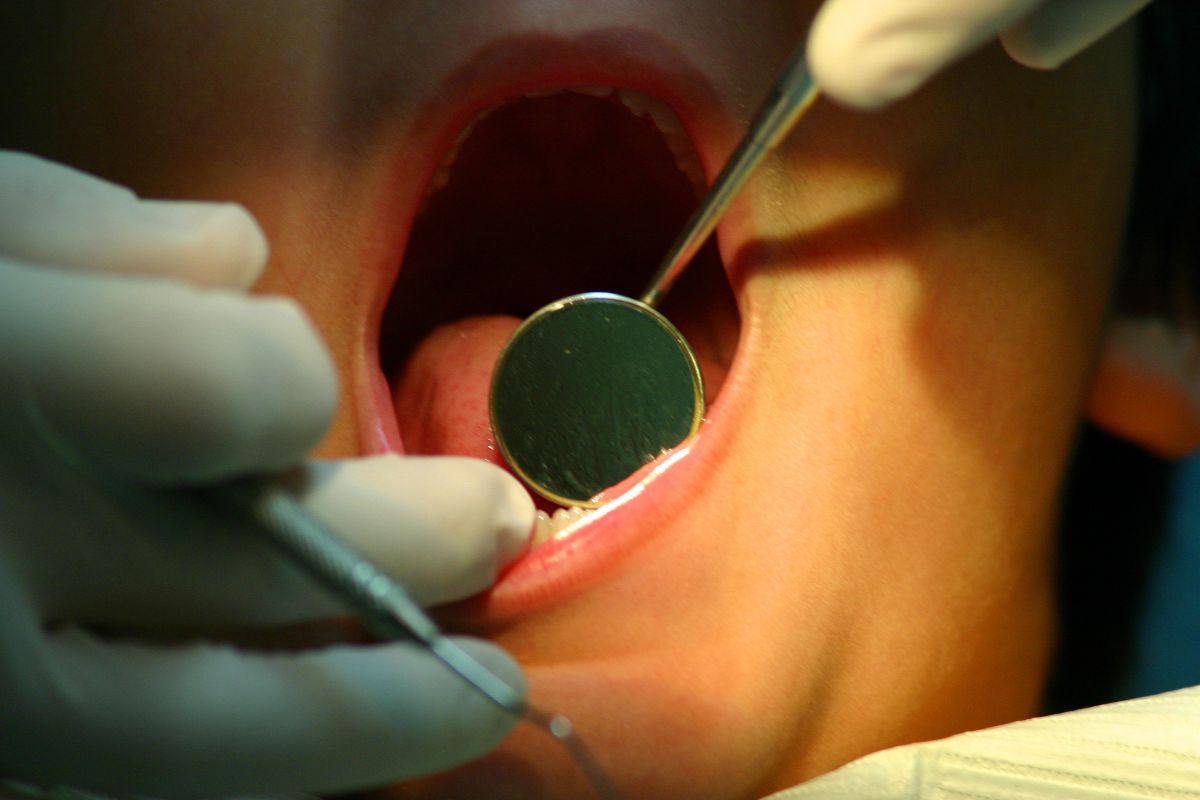
Dentists trained in sleep and airway health assess how the jaw, tongue, and oral structures influence airflow during sleep. These factors play a critical role in airway obstruction and breathing disturbances.
Explore how dental airway evaluations support sleep health
Treatment Options for Sleep Disordered Breathing
Treatment options vary depending on severity, airway anatomy, and individual needs. Common approaches may include:
- Continuous positive airway pressure (CPAP)
- Dental sleep appliances designed to support airway stability
- Airway focused dental care addressing jaw and oral structure
- Collaborative care with medical sleep providers
Effective care often involves identifying the root cause of airway disruption rather than managing symptoms alone.
When to Seek Professional Evaluation
If symptoms such as fatigue, snoring, daytime sleepiness, or cognitive changes persist, a professional evaluation may help uncover underlying sleep breathing issues.
Early assessment allows for more personalized care and may reduce the long term impact on whole body health.