

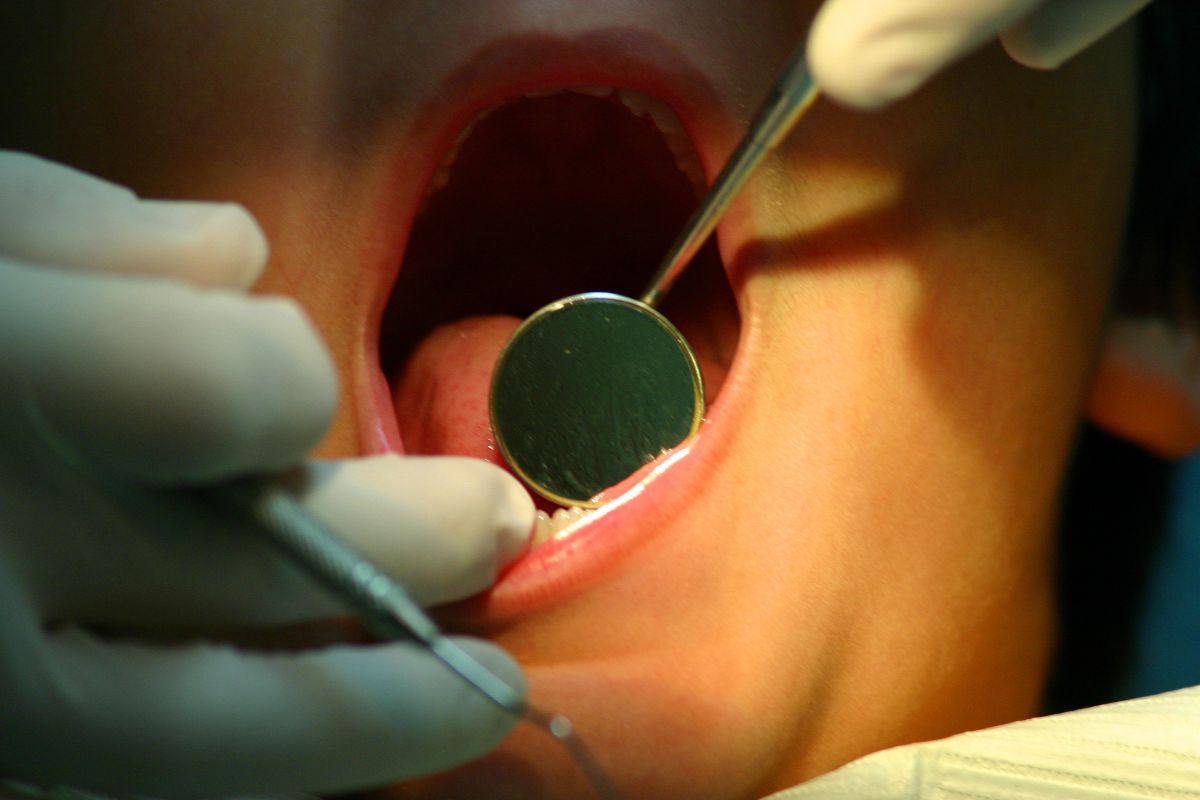
Tooth pain can be confusing. One day you feel a quick zing when you bite, the next day it is gone. Or maybe cold drinks suddenly hurt, but chewing feels fine. When that happens, a common question is cracked tooth vs cavity which one is causing the problem?
The challenge is that both cavities and cracks can cause sensitivity, discomfort, and even sharp pain. But the underlying causes are different, which means the best treatment is different too. The fastest path to real relief is an exam so you can treat the source before it becomes a bigger issue.
If you are dealing with tooth pain or sensitivity, schedule an evaluation at https://completehealth-dentistry.com/contact-us/ or call (850) 669-7544.
Why it matters to know the difference
A cavity is caused by decay. A cracked tooth is caused by a fracture in the tooth structure. Both can worsen over time, but cracks can sometimes change quickly, especially if chewing pressure causes the crack to spread.
When you identify the problem early, treatment is often simpler and more conservative. That can mean a small filling instead of a crown, or a crown instead of a root canal. Early diagnosis is one of the biggest “money savers” in dentistry.
What a cavity feels like
Cavities are caused when bacteria produce acids that break down enamel and dentin. Early cavities often do not hurt at all. When symptoms appear, they may include:
- Sensitivity to sweets
- Sensitivity to cold (sometimes lingering)
- A dull ache that is hard to localize
- Food getting stuck in the same spot
- Visible dark spots or pits (not always)
If decay gets close to the nerve, the tooth may become more sensitive and painful. At that stage, the tooth may hurt even when you are not eating.
What a cracked tooth feels like
Cracked teeth are often more “behavior based,” meaning pain shows up with pressure and chewing. Common cracked tooth symptoms include:
- Sharp pain when biting, especially when you release your bite
- Tooth sensitivity when biting or chewing certain foods
- Random “zings” that come and go
- Temperature sensitivity that can feel inconsistent
- A tooth that feels different even if it looks normal
Many cracks are not obvious in the mirror. A tooth can be cracked under an old filling or along the chewing surface without showing a clear line.
Cracked tooth vs cavity: the most helpful clue
If you remember only one thing from this article, make it this:
Pain when biting or chewing is more suspicious for a crack.
Cavities can cause chewing discomfort too, but the classic “cracked tooth” pattern is a sharp pain with biting pressure, especially when you let go. That happens because the crack flexes slightly under pressure, irritating the inner tooth layers.
Why tooth sensitivity when biting happens
Tooth sensitivity when biting can come from multiple issues, including:
- A cracked tooth
- A high spot on a filling or crown (bite imbalance)
- Inflammation in the ligament around the tooth
- Decay under an old filling
- Grinding and clenching that overloads the tooth
This is why self diagnosis can be tricky. The symptoms guide us, but testing and evaluation are what confirm the cause.
At home checks you can try (without risking damage)
You cannot diagnose a crack or cavity at home, but you can pay attention to patterns that help your dentist:
- Does cold cause a quick zing or lingering pain?
- Does pain happen only when chewing, especially on one side?
- Does it hurt on release of pressure rather than when you bite down?
- Is there one specific tooth you can point to, or is it hard to locate?
Do not bite down on hard objects to “test” the tooth. That can worsen a crack.
What causes cavities and cracks in the first place
Common cavity causes
- Frequent snacking or sugary drinks
- Dry mouth
- Inadequate brushing and flossing (or hard to reach areas)
- Old restorations with leakage
Common cracked tooth causes
- Chewing ice, hard candy, or crunchy foods
- Grinding and clenching (often during sleep)
- Large fillings that weaken remaining tooth structure
- Trauma or impact injuries
- Bite imbalance that overloads one tooth
Cracks are especially common in teeth that have large old fillings. Over time, the tooth becomes more brittle and more likely to fracture under pressure.
How a dentist confirms cracked tooth vs cavity
During an exam, your dentist may use several tools to identify the true cause:
- Visual exam with magnification and lighting
- Gentle pressure tests to see if biting triggers pain
- Cold testing to evaluate nerve response
- X rays to look for decay, infection, or changes around the root
- Evaluation of existing fillings or crowns for leakage or stress
Not all cracks show up on X rays. That is normal. A crack can still be present even if imaging is unclear. The diagnosis is based on symptoms, clinical findings, and testing.
Treatment options: what happens next
Treatment depends on the diagnosis and how advanced the problem is.
If it is a cavity
- Small cavity: filling to remove decay and restore tooth structure
- Large cavity: onlay or crown may be recommended to protect the tooth
- Deep decay near the nerve: may require root canal treatment if the nerve is infected
If it is a crack
- Minor crack or chip: smoothing or bonding in some cases
- Structural crack: crown or onlay to reinforce and prevent the crack from spreading
- Nerve involvement: root canal treatment plus crown may be needed
- Severe split: extraction may be the safest option, followed by replacement planning
These treatments are part of general and restorative dentistry, which is the core of keeping teeth stable, comfortable, and functional over time.
When to see a dentist right away
Schedule as soon as possible if you have:
- Swelling of the gums or face
- Severe pain that wakes you up or does not respond to medication
- A broken piece of tooth or sharp edge
- Pain when biting that is getting worse
- A bad taste or drainage near a tooth
Schedule: https://completehealth-dentistry.com/contact-us/
Call: (850) 669-7544
How this connects to whole body health
Cavities and cracks are “local” problems, but the inflammation and stress they create can affect the whole body. Pain affects sleep. Inflammation increases stress responses. Infections can impact energy levels and overall wellness.
That is why we believe whole health dentistry starts with doing the basics exceptionally well: stable restorations, healthy gums, and prevention that reduces recurring problems over time.
Serving Shalimar and nearby Emerald Coast communities
Complete Health Dentistry of the Emerald Coast is located in Shalimar and serves patients from Destin, Fort Walton Beach, Niceville, Valparaiso, and Mary Esther. If you are unsure whether you have a crack or a cavity, an exam is the fastest way to get clarity and a plan.
Schedule: https://completehealth-dentistry.com/contact-us/
Call: (850) 669-7544
FAQs
Can a cavity cause pain when biting?
Yes, especially if decay is deep or a filling has a high spot. But sharp pain on release is more commonly associated with cracks. An exam is needed to confirm.
Can a cracked tooth feel like a cavity?
Yes. Cracks can cause sensitivity and discomfort that mimic decay. The pattern of pain and dental testing help identify which issue is present.
What if I have tooth sensitivity when biting but no visible damage?
Many cracks and cavities are not visible. A tooth can crack under an old filling or have hidden decay. Schedule an evaluation to prevent progression.
Schedule an evaluation for tooth pain
If you are trying to figure out cracked tooth vs cavity, you do not have to guess. The best way to protect your tooth and get relief is a focused exam and a clear plan.
Schedule: https://completehealth-dentistry.com/contact-us/
Call: (850) 669-7544